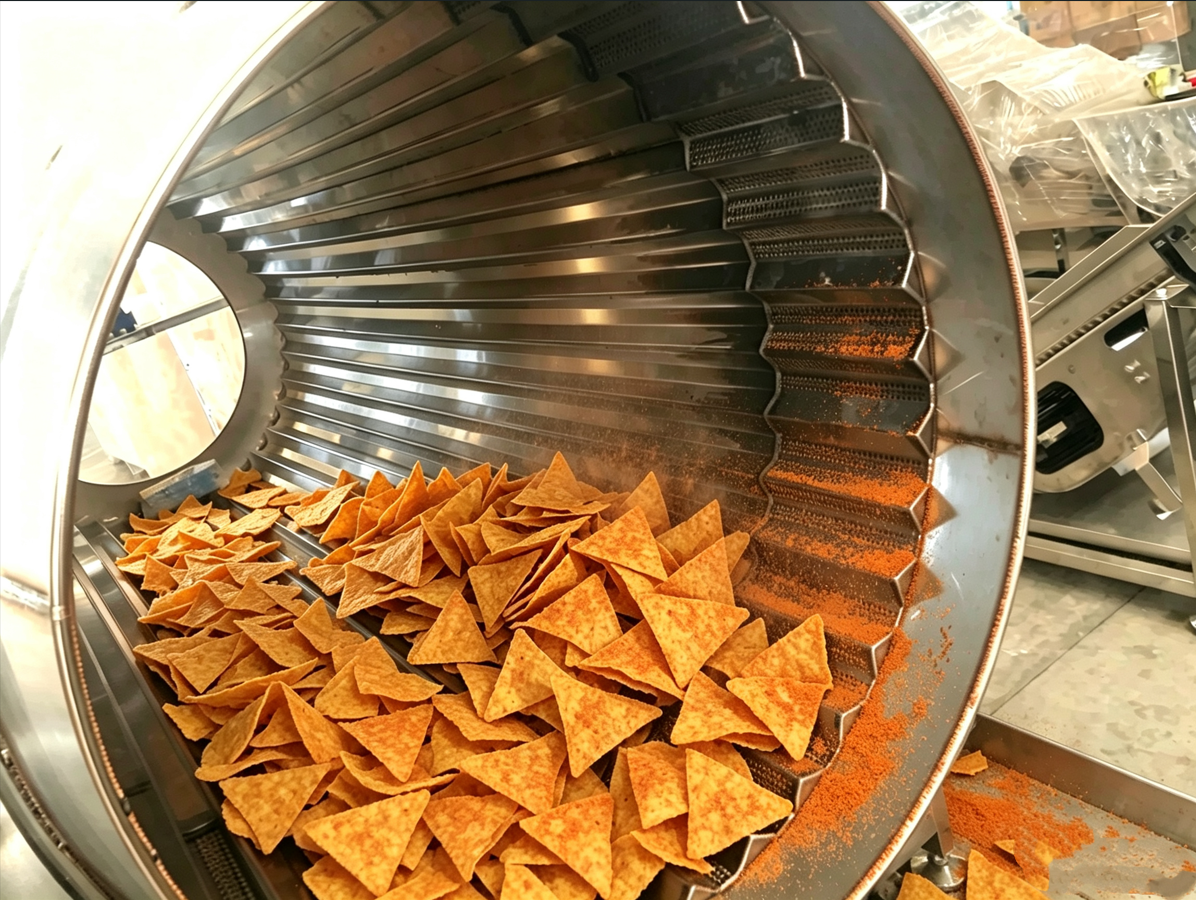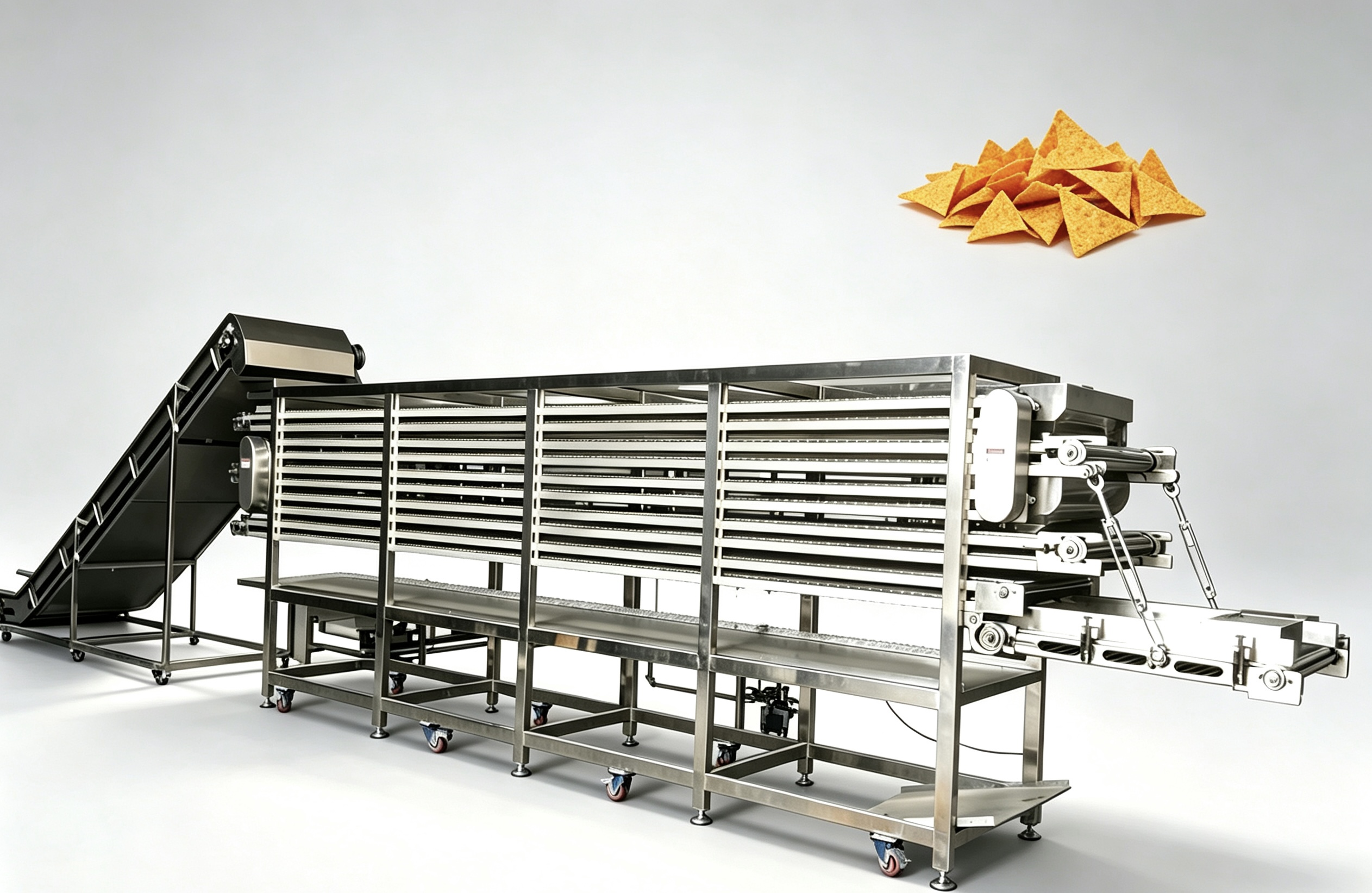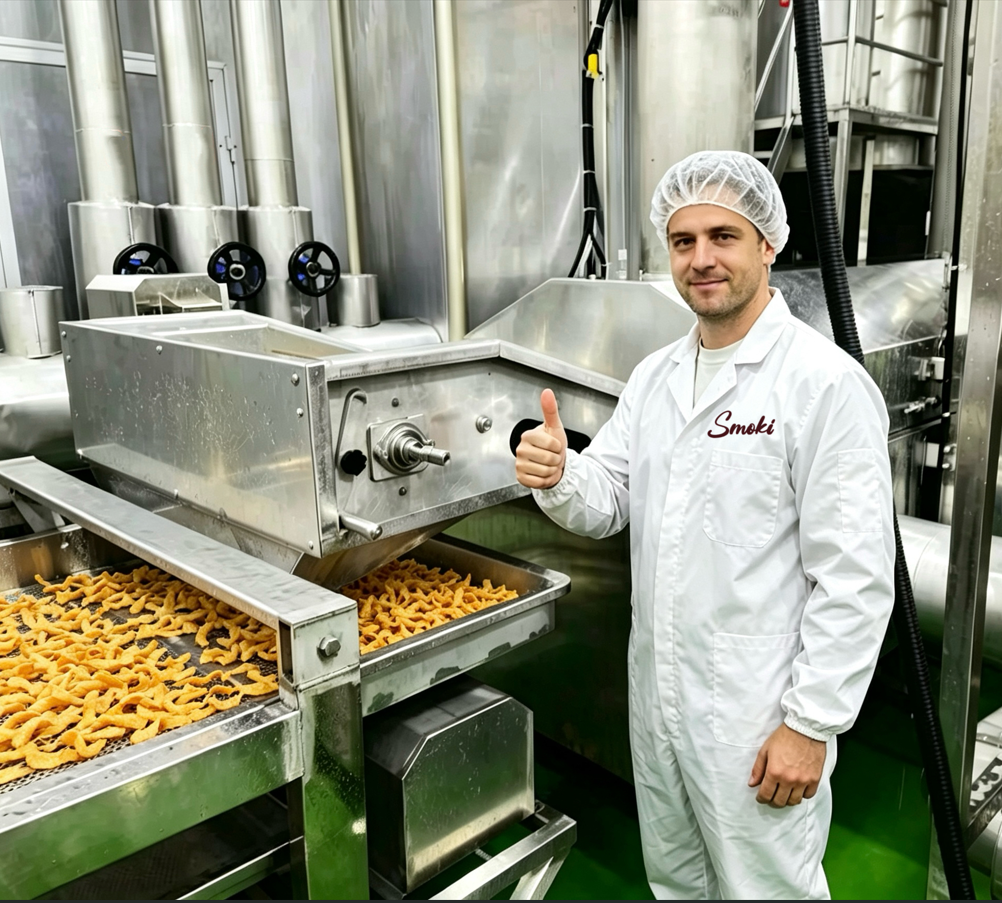
For tortilla chip manufacturers and food processing professionals, achieving consistent, satisfying crispness while keeping oil content in check is the key to creating high-quality, market-competitive products. The final texture and overall quality of tortilla chips are not determined by a single process, but by three interlocking critical factors: the quality of corn used to make masa, the thickness uniformity of chips produced by the sheeter, and the structural design of the frying machine. Mastering these elements with data-backed processing parameters is the ultimate solution to optimizing product texture and reducing excess oil absorption.
Masa Corn Quality: The Foundational Basis of Chip Crispness
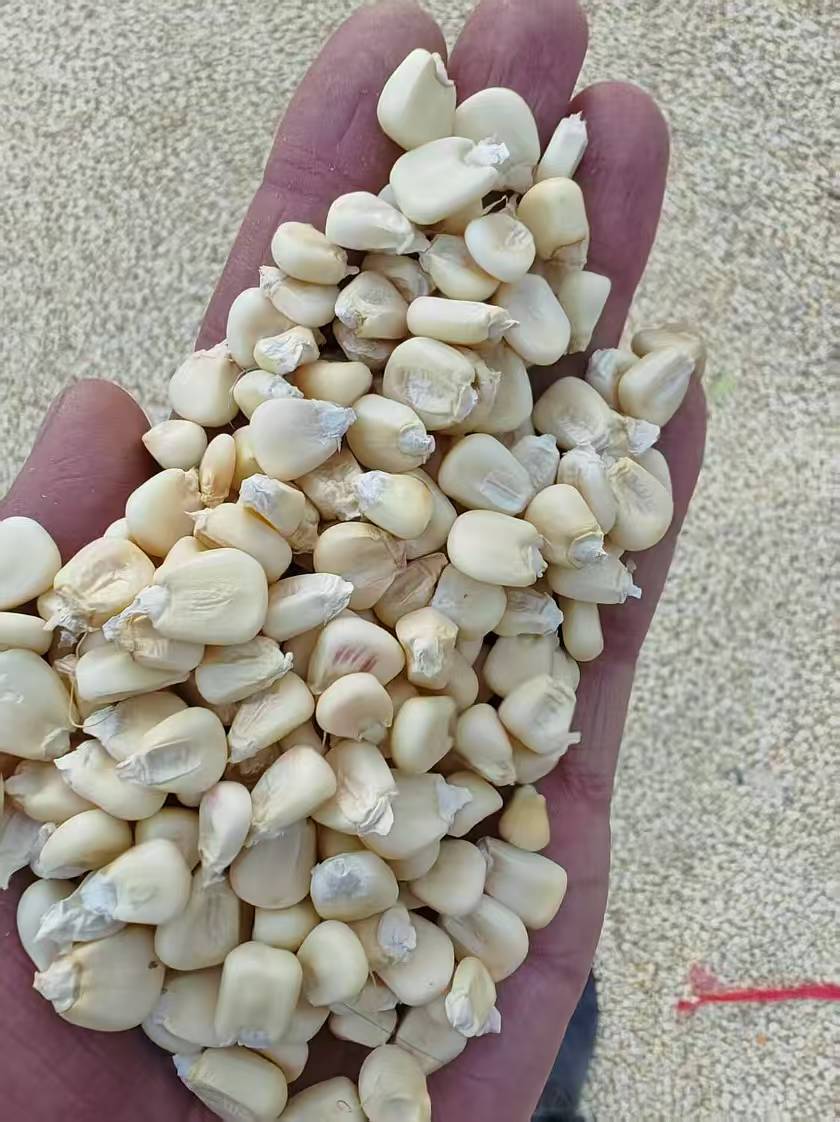
Every perfect crispy tortilla chip starts with premium corn raw materials, as the quality of corn directly determines the performance of masa and the final crispness of the chips. There is no way to make high-crispness tortilla chips with low-quality corn, even with the most advanced processing equipment.
High-quality corn for tortilla chip masa must meet strict raw material standards: 12%-14% raw corn moisture content, 9%-11% protein content, and intermediate-to-hard endosperm texture. Hard-textured, full-kernel corn forms masa with a loose, porous internal structure after standard nixtamalization (lime cooking) and coarse grinding (30-40 mesh). This porous structure allows rapid steam escape during frying, helping chips dehydrate fully and form a light, brittle crispy texture.
In contrast, low-quality corn with soft endosperm, moisture content over 15%, or insufficient protein produces dense, sticky masa that traps moisture inside during frying. Such masa leads to chips with a soft, chewy center, poor crispness, and oil absorption rate increased by 15%-20% compared to chips made from high-quality corn. Properly selected and processed masa builds a stable structural foundation, laying the groundwork for ideal crispness and effective oil control.
Sheeter-Produced Chip Thickness: A Critical Factor for Crispness
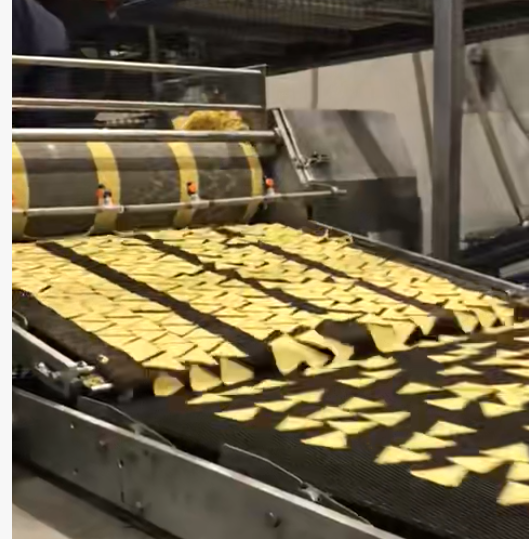
Once the masa quality is guaranteed, the sheeter becomes the core equipment that directly determines tortilla chip crispness. The thickness and uniformity of chips processed by the sheeter have a decisive impact on the final texture, following an unchanging industry rule: thinner and more uniform thickness leads to crispier tortilla chips.
The optimal thickness for crisp tortilla chips processed by a precision sheeter is 0.8mm-1.2mm. Thicker chips (over 1.5mm) have a denser internal structure, slowing moisture evaporation during frying; trapped internal moisture prevents full dehydration, resulting in poor crispness and extended frying time. Thinner chips within the optimal range enable fast, even moisture loss, reaching a final moisture content of 1.5%-2% after frying, which is the critical value for ultimate crispness.
Thickness uniformity is equally vital: a thickness deviation of more than ±0.1mm from the sheeter causes uneven frying. Thick spots remain undercooked and soggy, absorbing 25% more oil, while thin spots burn easily, leading to inconsistent product quality. A high-precision sheeter with automatic thickness adjustment ensures uniform thin chips, guaranteeing consistent crispness across every batch.
Frying Machine Structure: The Core of Controlling Oil Content
Oil content directly affects tortilla chip taste, shelf life and market acceptance, with the industry’s ideal final oil content ranging from 18%-22%. Excess oil absorption makes chips greasy and unpalatable, and the structural design of the frying machine is the primary factor controlling oil uptake.
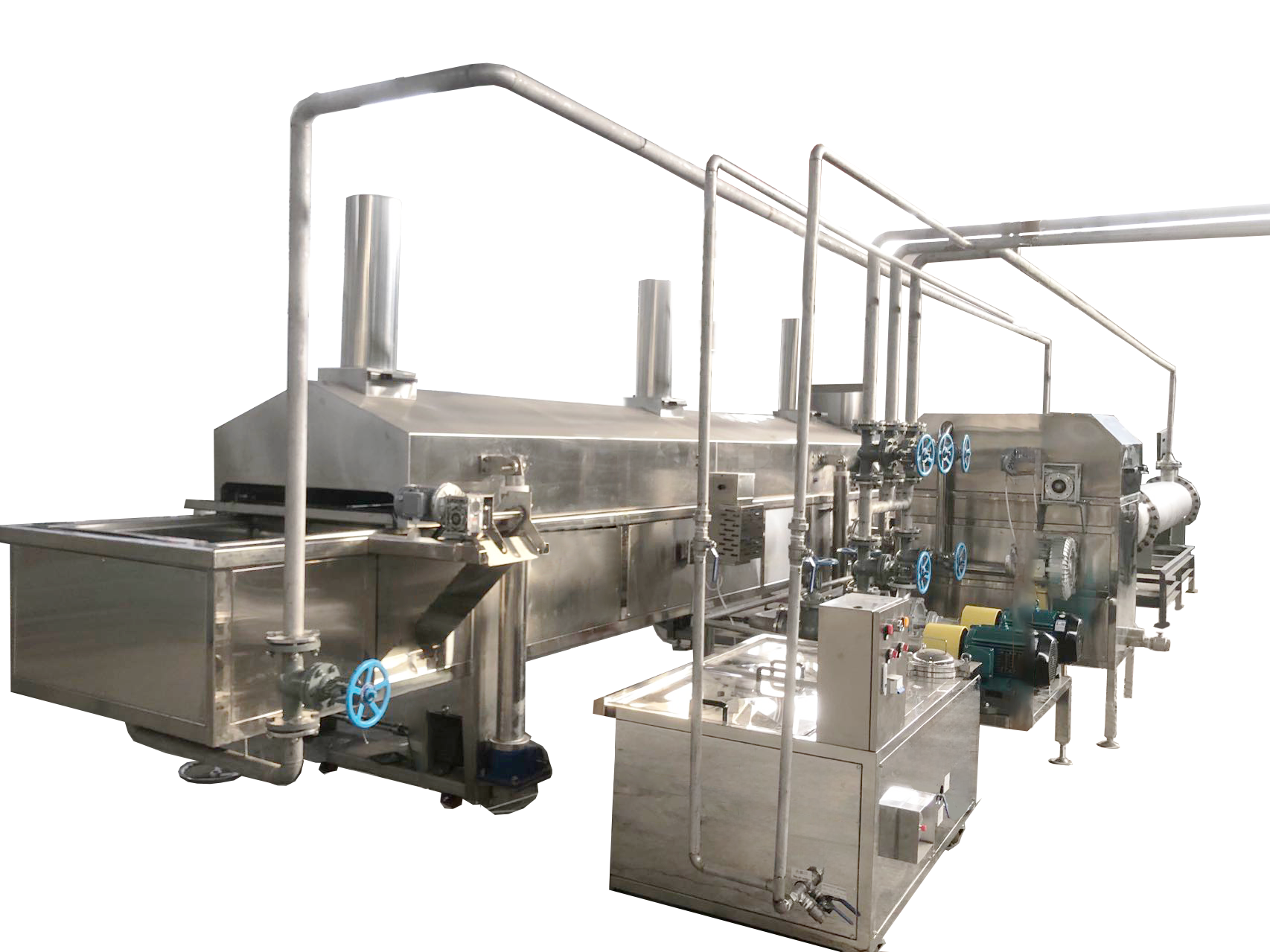
A professionally designed industrial continuous frying machine with optimized structure features three core components that reduce oil absorption:
1. Precision temperature control system: Maintains a stable frying temperature of 178℃-185℃, avoiding temperature fluctuations that cause over-absorption; uneven temperature can increase oil content by 10%-15%.
2. Optimized conveyor & drainage structure: Equipped with inclined conveyor belts, reasonable material residence time (60-90 seconds), and no oil pooling zones, preventing chips from soaking in excess oil.
3. Post-frying de-oiling mechanism: Built-in centrifugal de-oiling or high-pressure air knife systems, which remove 80% of surface residual oil within 3-5 seconds after frying, drastically cutting final oil content.
Fryers with poor structural design—stagnant oil flow, insufficient drainage, or unstable heating—lead to excessive oil penetration, pushing oil content above 25% and ruining the chip’s crisp texture.
Final Thoughts
To produce high-quality tortilla chips with excellent crispness and ideal oil content, manufacturers must follow data-driven processing standards: select premium corn with 12%-14% moisture and 9%-11% protein for high-performance masa, use precision sheeters to produce 0.8mm-1.2mm uniform thin chips, and equip with structurally optimized frying machines with stable temperature and efficient de-oiling. Only by coordinating these three key links can manufacturers stably produce tortilla chips that meet consumer demands, with outstanding crispness and controlled, industry-standard oil content.